


Top Home Design Tips for Managing Light and Heat
Managing light and heat in your home is essential for comfort, energy efficiency, and creating a pleasant living environment. Proper light management can reduce energy bills, protect your furniture from sun damage, and maintain a comfortable temperature year-round. This article explores practical home design tips to help you control natural light and heat effectively.
Understanding Light Management in Home Design
Light management involves controlling the amount, direction, and quality of natural light entering your home. It also includes managing heat gain from sunlight to keep your interiors comfortable. Here are some key strategies:
Window placement and size: Position windows to maximize natural light while minimizing heat gain. South-facing windows in the northern hemisphere receive the most sunlight, so consider shading options.
Use of shading devices: Overhangs, awnings, and shutters can block direct sunlight during hot months but allow light in during cooler periods.
Window glazing: Double or triple-glazed windows reduce heat transfer and improve insulation.
Reflective surfaces: Light-colored walls and ceilings reflect natural light deeper into rooms, reducing the need for artificial lighting.
By combining these techniques, you can create a balanced indoor environment that feels bright and comfortable without overheating.

Practical Tips for Managing Light and Heat in Your Home
Here are some actionable recommendations to help you manage light and heat effectively:
Install thermal curtains or blinds: These help block heat during summer and retain warmth in winter.
Use plants strategically: Trees and shrubs can provide natural shade and cool the air around your home.
Apply window films: Reflective or tinted films reduce glare and heat without sacrificing natural light.
Incorporate skylight covers: Skylights bring in natural light but can also cause heat gain. Using covers for skylights can help regulate temperature and light levels.
Ventilation: Cross-ventilation allows hot air to escape and cool air to enter, reducing reliance on air conditioning.
These tips not only improve comfort but also contribute to energy savings and sustainability.

How to Cover a Skylight Without Blinds
Skylights are fantastic for bringing natural light into your home, but they can also cause unwanted heat gain and glare. If you want to cover a skylight without using traditional blinds, consider these alternatives:
Skylight films: These are adhesive films that reduce UV rays and heat while maintaining light transmission.
Skylight shades or curtains: Specially designed shades can be installed inside the skylight frame and placed or pulled across when needed.
Internal covers: A NEW technology just invented, allows you to place a custom cover at the ceiling's edge of the skylight or into the skylight well. It also allows this to be performed in a few minutes which save time and cost. www.shaads.com
External covers: Installing external covers or awnings can block sunlight before it hits the glass.
Smart glass technology: Electrochromic glass can change its tint electronically to control light and heat.
Each option has its pros and cons, so choose based on your budget, aesthetic preferences, and the level of control you want.

Choosing the Right Materials for Heat and Light Control
Material selection plays a crucial role in managing light and heat. Here are some materials to consider:
Low-emissivity (Low-E) glass: This glass type reflects infrared light, keeping heat out in summer and in during winter.
Thermal insulation: Proper insulation in walls and roofs reduces heat transfer.
Light-colored roofing: Reflects sunlight and reduces heat absorption.
Natural materials: Wood and stone can moderate indoor temperatures by absorbing and slowly releasing heat.
Using these materials thoughtfully can enhance your home's energy efficiency and comfort.
Integrating Technology for Smarter Light and Heat Management
Modern technology offers innovative solutions for managing light and heat:
Automated shading systems: Motorized blinds or shades can adjust based on the time of day or temperature.
Smart windows: Windows that tint automatically in response to sunlight.
Home automation: Integrate sensors and smart controls to optimize lighting and temperature without manual intervention.
These technologies provide convenience and improve energy efficiency by adapting to changing conditions.
Enhancing Comfort and Energy Efficiency Through Design
Effective light and heat management is about creating a home that feels comfortable and uses energy wisely. By combining architectural design, material choices, shading solutions, and technology, you can:
Reduce cooling and heating costs
Protect interiors from sun damage
Improve natural lighting quality
Maintain a pleasant indoor temperature year-round
Start by assessing your home's current light and heat challenges, then implement the tips and strategies discussed here to transform your living space.
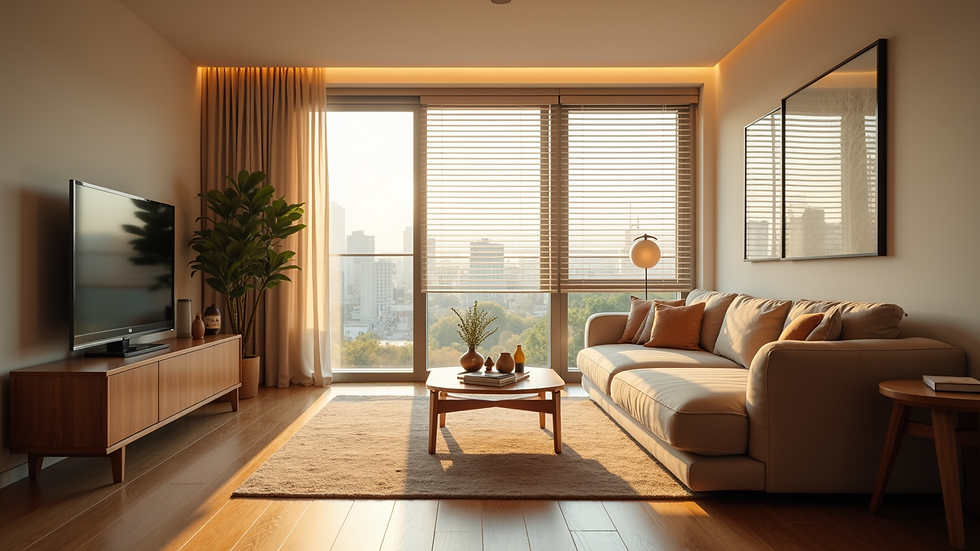
By focusing on these design principles and practical solutions, you can enjoy a home that balances light and heat perfectly, enhancing your comfort and reducing energy consumption.


Comments